
The People’s Plate
About the People’s Plate
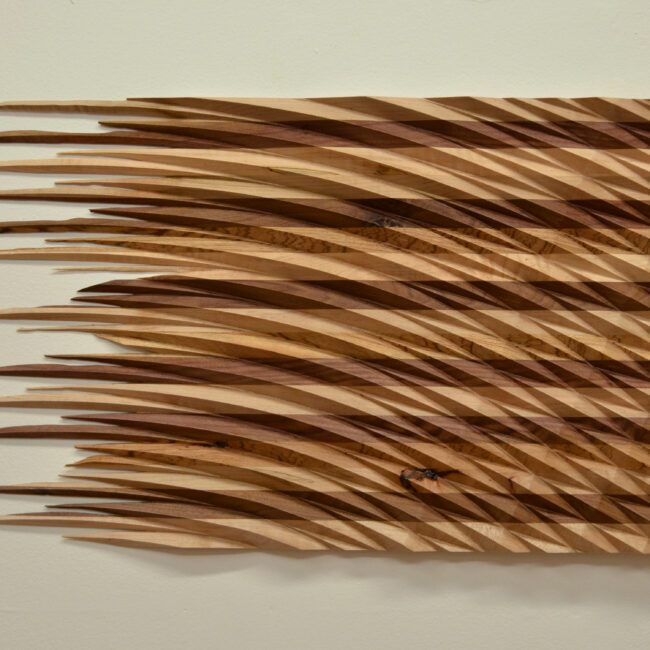
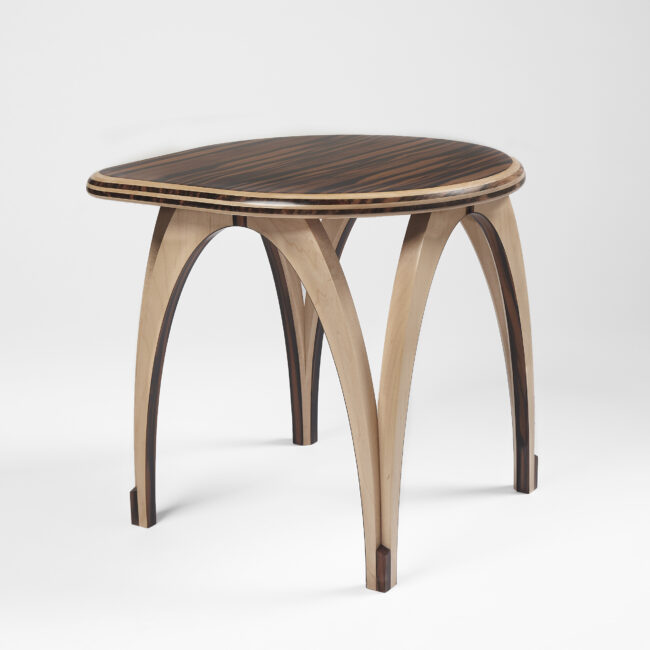
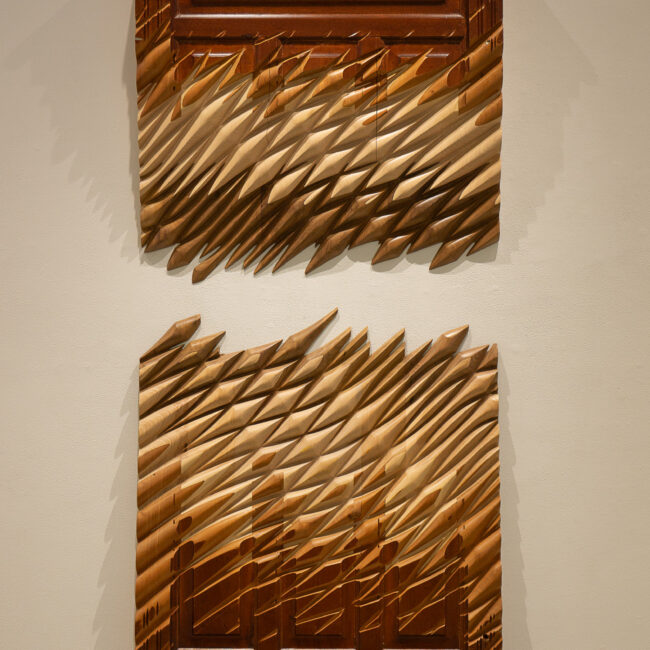
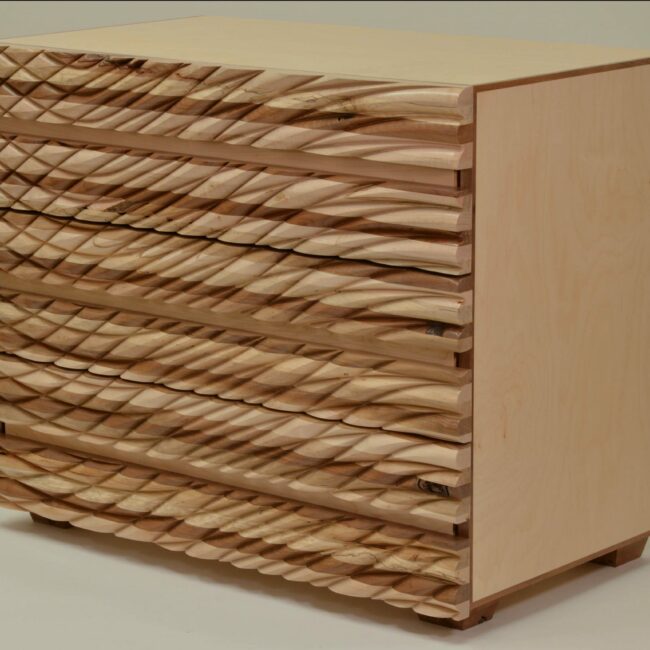
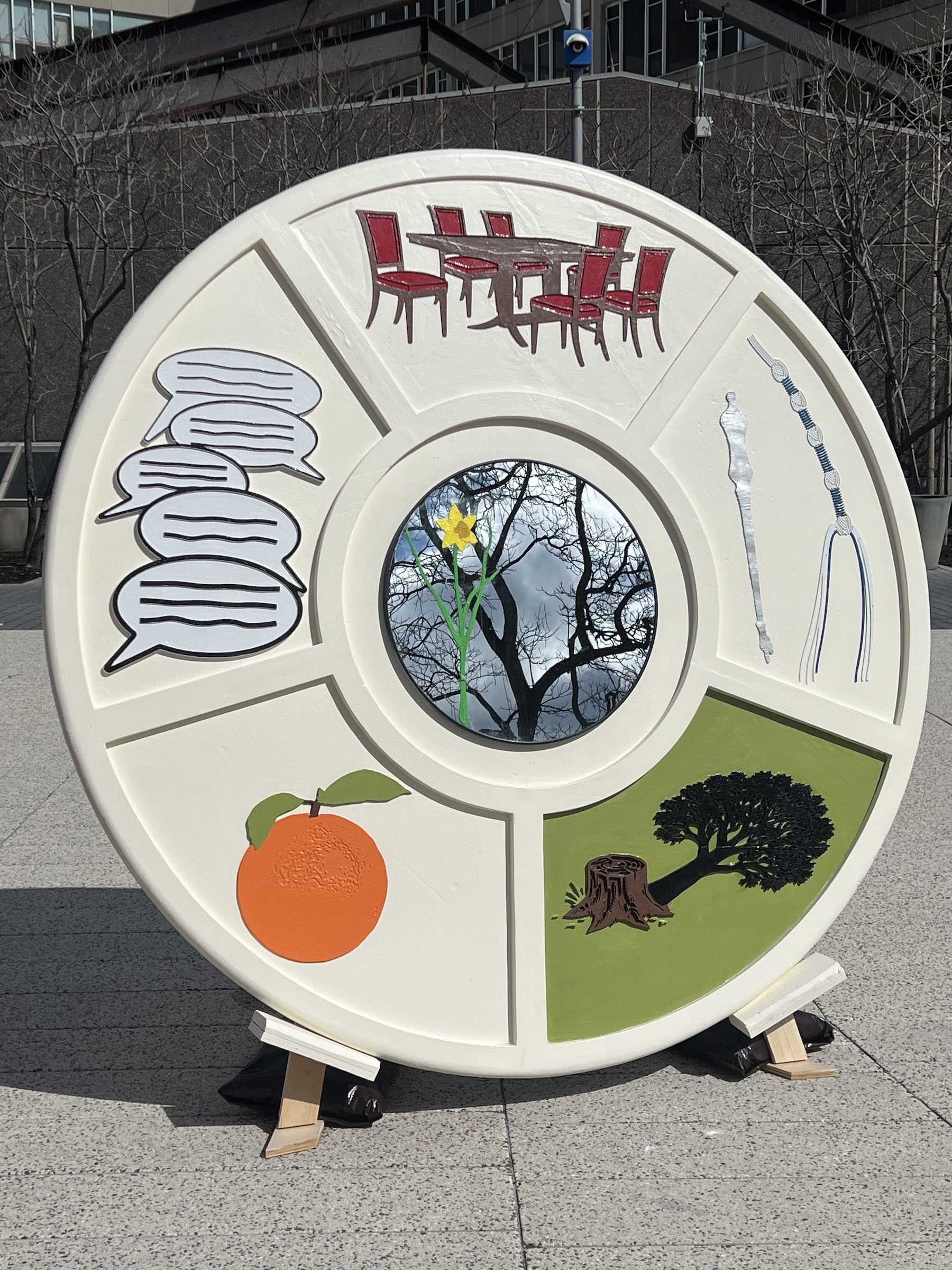
This interpretive Seder plate is a collaboration between Michael Mittelman and Harvard’s Jewish community. Working with Harvard Hillel, we conducted a series of interviews with various members of the Harvard Jewish community and created a new interpretation of the seder plate. While a traditional seder
plate holds the main symbols of the ritual Passover meal, the images on this plate express the stories of our community, representing diverse and interconnected
forms of Jewish identity—including ways that Jewish lives have been shaped by memory, family, values, wisdom texts, and the land and peoples of Israel. 
Table and Chairs
Inspired by a Harvard faculty member raised in Italy, with family members who were refugees fleeing Libya, this image reflects a Jewish family life shaped across cultures. Now living in Boston, she weaves traditions from each of these homes into her weekly celebration of Shabbat (the Hebrew word for “Sabbath”). The Shabbat table anchors the week—welcoming students, friends and guests each Friday night, to share food and stories passed down through generations and rediscovered anew. She wakes up every Friday at 5 a.m. to bake challah (a sweet, braided holiday bread) for the meal, before going to work. The family table is a place to mark milestones, including her daughter becoming the first woman in their family to read from the Torah (parchment scrolls inscribed with the Five Books of Moses) at her bat mitzvah. And like the Passover Seder table of her childhood, it is a place where memory, tradition, and renewal come together.
Speech Bubbles
For this alum, Jewish connection and belonging is found in the spaces where voices rise together—at her synagogue, at Hillel, and in her own home (the center of her Jewish life). Singing is at the center of her Jewish life—lifting her voice in song, she feels connected to her people’s history, her community, and her spirituality. The same goes with conversation. Like speech bubbles carry words through space, the many voices of Judaism travel from one generation to the next—l’dor vador. During moments of awe—travel, milestones, or simply being together—her family joins hands and sings the Shehecheyanu prayer, to collectively express gratitude for one another and for the moment in which they are living. At her family’s Passover Seder, music, study, conversation, laughter, and shared melodies help infuse the tradition with energy. Voices carry Jewish values and customs forward with joy.
Orange
The orange on the Seder plate represents the expanding story of who belongs at the Jewish table—something this Chinese American Jewish student learned about growing up and latched onto as a feminist symbol. Its circular shape also nods to the many social spheres she now inhabits. Coming to college offered her the chance to explore her identity independently and to find her own Jewish community. Through student-led Reform Shabbat services, she helps shape ritual with songs and conversations that wrestle with spiritual questions. Thoughtful dialogue about Israel and Jewish life, in a student club, created space for complexity and genuine friendship after October 7. Volunteering on campus—leading support and restorative justice circles for youth—has also become central. Like at her family’s boisterous Passover table in a New York City hotel room—where her grandmother’s Texas brisket meets dim sum (Chinese dumplings)—her Jewish life unfolds in widening, concentric circles.

Stump and Tree
Growing up secular, this Israeli graduate student is seeking a personally meaningful Jewish path. This image reflects the experience of carrying an inner identity not always visible in the world—as well as when that hidden part finds belonging. One year, walking through Manhattan’s Central Park on Yom Kippur (Day of Atonement, the holiest day in the Jewish year), he felt the contrast between the United States and Israel; none of the thousands of people around him perceived the day’s sacredness. Though he was observing the holiday’s fast, he felt alone—until he entered a synagogue, where the dissonance dissipated and he felt surprisingly and unmistakably at home. A tree stump casting the shadow of the tree it once was suggests that what we are in the present is not the full measure of who we are. Judaism offers a legacy that treasures debate, moral reflection, and the dignity of differing views—both sides of many arguments remain in traditional texts, leaving space for future generations to shape what comes next.
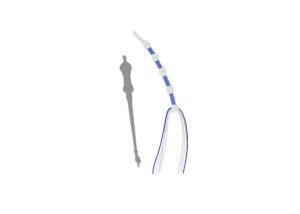
Fringes and Pointer
This undergraduate’s life is anchored in the consistent rhythms of Torah and mitzvot (sacred obligations)—Jewish study and practice. Raised in an observant community, he carries those commitments with him as he navigates a secular university. The tzitzit—ritual fringes worn throughout the day—swing near his knees as a reminder of his values: as the liturgy says, “See the strings and remember the commandments.” Beside them rests a silver yad, the pointer used to read from the Torah, representing both his commitment to Jewish law and the beauty of its legal framework. His way of thinking has been shaped by teachers, peers in the U.S., and his world-traveling grandparents who encouraged rigorous inquiry. Studying in Israel in the months after October 7, while his study partner served in the war, he felt the limits of words and debate. In response, he helped organize a global Day of Lovingkindness—more than 100 acts of care across nine countries—answering fear and violence with Jewish responsibility and compassion.

Mirror
For this student, Jewish identity has been reflected through a culturally vibrant and diverse community. Growing up in Los Angeles, nearly half of the students in her school were Jewish—and they also were practicing in Persian, Mizrahi (Arab Jewish), Ashkenazi (Eastern European/Germanic Jewish) and Latin American traditions. She never felt there was only one way to be Jewish. That inclusive sense of belonging has grown into a desire to help others see themselves in Jewish life as well. As an athlete and leader, she tries to give people a feeling of being seen and believed in. For those who may have fond memories of a Seder at home but are unsure where they fit in Jewish life at Harvard, her image is a mirror—she hopes they will see themselves reflected in this exhibit and in this community. The mirror is the central image in this sculptural Seder plate because the artwork primarily invites viewers to recognize their own stories in the community around them.
Date:
July 7, 2026